
The back to work debate: NLA features Abintra
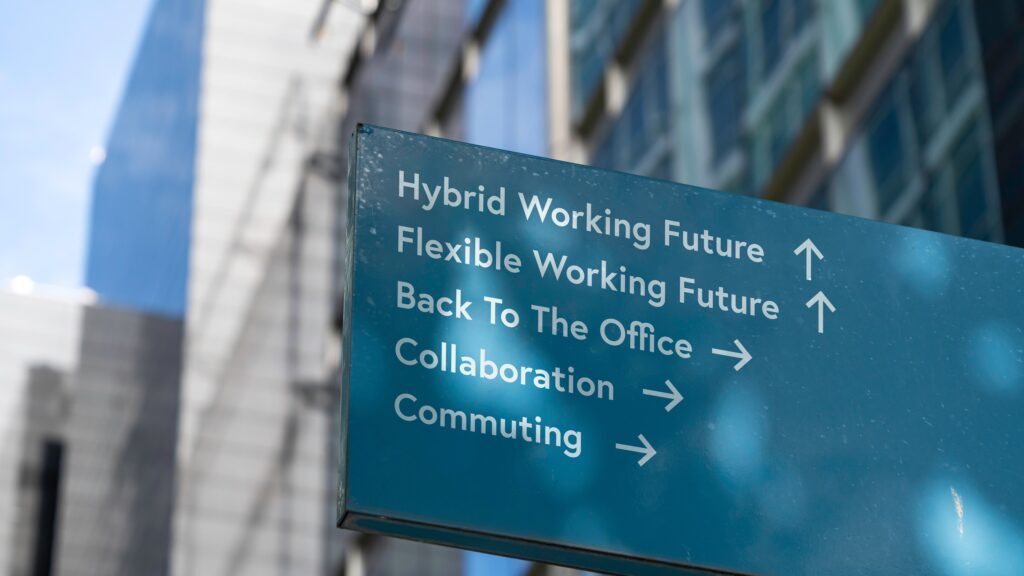
Our article on what back-to-work really looks like and what to do about it is featured exclusively by New London Architecture in its Insights series.
In the feature-length piece, Abintra’s David Maddison argues that flexible working is not a temporary experiment but a permanent shift in how people engage with work. To manage it, real estate decisions, from refits to downsizing, must be based on accurate, reliable utilisation data.
Excerpt
At Abintra, we’ve been helping global corporations and leading UK public sector organisations to do exactly that for more than two decades. Our technology measures workspace utilisation — tracking how desks, meeting rooms and shared areas are used across hours, days, weeks and months. This granular insight reveals the real story of workplace behaviour, helping businesses right-size, reconfigure and re-energise their real estate.
Granular insight reveals the real story of workplace behaviour
In major corporations, our data typically reveals that traditional desks are occupied only two-thirds of the time. Often less. Meeting rooms designed for 12 people may be used by just a few people, sometimes only two or even one. Rooms are booked but not occupied. Breakout and soft seating areas – once thought to be the key to getting teams together post-lockdown – are often sitting empty, while demand is higher for private booths where people can make confidential calls or work quietly.
The data gives not only broad insights like these but also detailed data about which spaces are used or unused and when, down to the individual desk or seat in a meeting room.