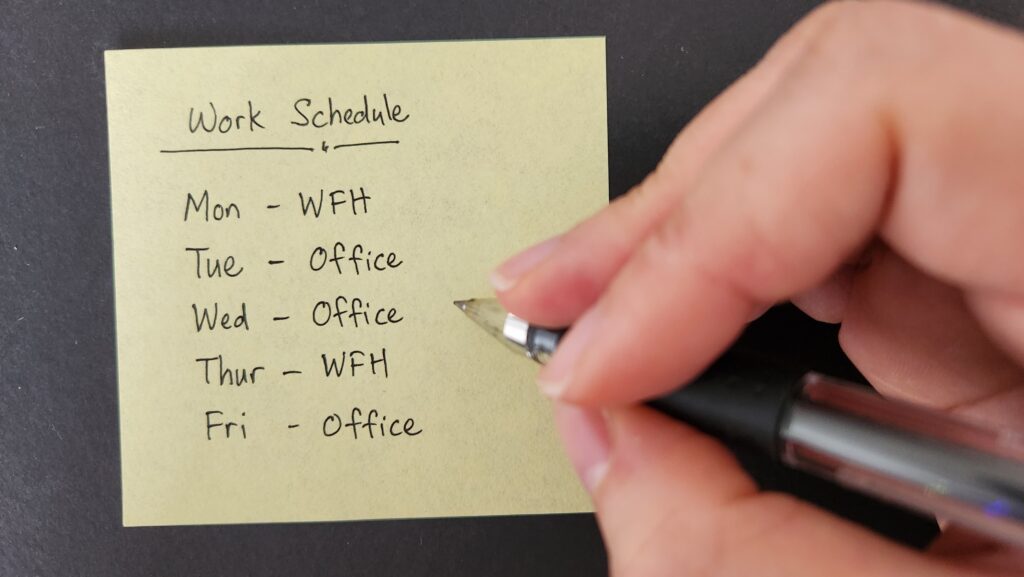
Why Abintra’s workplace intelligence is the missing piece in the agile office puzzle Hybrid work is here to stay. Employees now expect autonomy, fluid schedules and spaces that support collaboration when they choose to come in. But as Derrick Tate of JLL highlighted in a recent post, flexibility brings a host of new challenges – […]
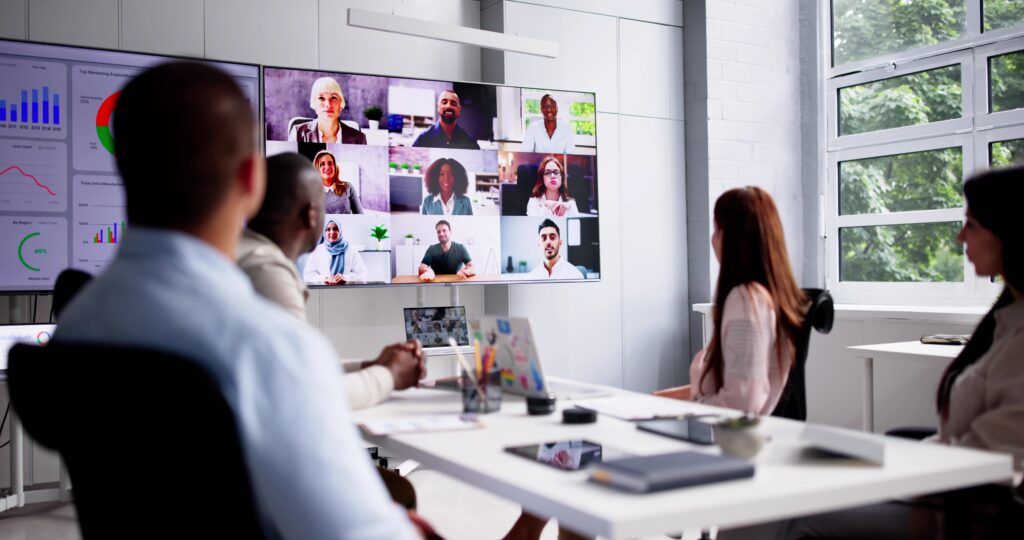
Why flexible working is now the norm — and what that means for office utilisation
Despite bold pronouncements about a full return to the office, the reality is very different: flexible working is fast becoming standard. As reported in Facilitate Magazine, even organisations insisting on a return often find that flex-first or hybrid models are what employees gravitate towards. The growing gap between “back to the office” and what actually […]
The back to work debate: NLA features Abintra
Our article on what back-to-work really looks like and what to do about it is featured exclusively by New London Architecture in its Insights series. In the feature-length piece, Abintra’s David Maddison argues that flexible working is not a temporary experiment but a permanent shift in how people engage with work. To manage it, real […]
UK millennials rate flexibility over pay: What now for office strategy?
A major shift is happening in the UK workplace, particularly among professionals in their early thirties. Recent research shows that flexible working is now a higher priority than salary for this key demographic. At Abintra, we specialise in office occupancy monitoring, so we see first-hand how changing work habits influence office strategy. Businesses that want […]
Why we don’t rely on ceiling sensors and neither should you
Let’s be clear. We do use ceiling-mounted sensors — they’re accurate as standalone devices in certain conditions — but they’re definitely not our primary strategy for workplace utilisation. As we discussed on the blog last year, ceiling-mounted sensors have issues. It isn’t the technology itself. It’s the assumptions people make about what it can […]
Why office utilisation efficiency still matters
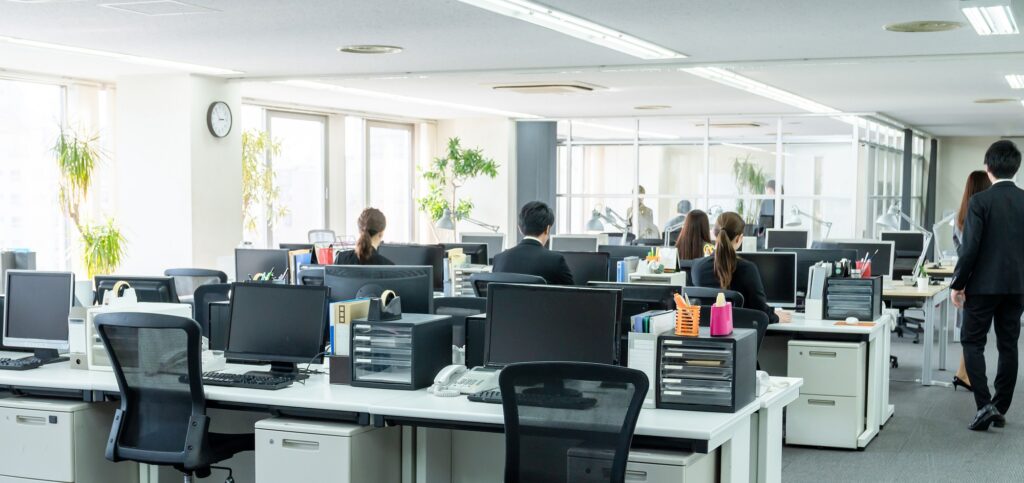
More than five years on from the pandemic, businesses are still wrestling with one fundamental question: How much office space do we really need? Hybrid work is here to stay, and with it comes a new layer of complexity. Some employees thrive on in-person collaboration, others use the office as a quiet escape, while many […]
Office Utilisation in the UK
A critical shift and a signal for smarter design In July, the British Council for Offices unveiled its Review of Post‑Pandemic UK Office Utilisation authored by workplace strategist and environmental psychologist Dr Nigel Oseland. The findings challenge long-standing office design norms and provide a roadmap to optimise space around the realities of hybrid working. Key […]
Local authorities lack data to get a return on real estate
For cash-strapped local authorities, getting the best return on assets is fundamentally important. Sustainability is also high on their agenda. Yet very few have precise data about how much their offices are used or empty. Instead, managers rely on what they reckon to be the case. The trouble is, as Einstein pointed out, “most assumptions […]
I know half of my office is empty. I just don’t know which half.
What if you knew how your office space was being occupied. I mean really knew. One person who does is Pete Sayers, Director of Workplace and Project Management at global insurance company Aon. And he has the facts about when that space is in use every minute of every day, not just in a single location but […]
Measuring office occupancy: The issues with camera-based sensors
The rise of hybrid working has led to a growing number of companies offering occupancy measurement for corporate real estate, but not all the technologies being employed are as reliable as their backers claim. As the pioneers of desk sensor technology for more than two decades, we have a proven solution that is delivering for […]